
Current Electricity
Explore Current Electricity through interactive, curriculum-aligned experiments that explain key ideas in a clear and visual way. Students can learn concepts such as Basics of Electric Circuit and Electric Fuse, observe results, and connect theory with classroom understanding. These experiments make learning current electricity easier and more engaging.
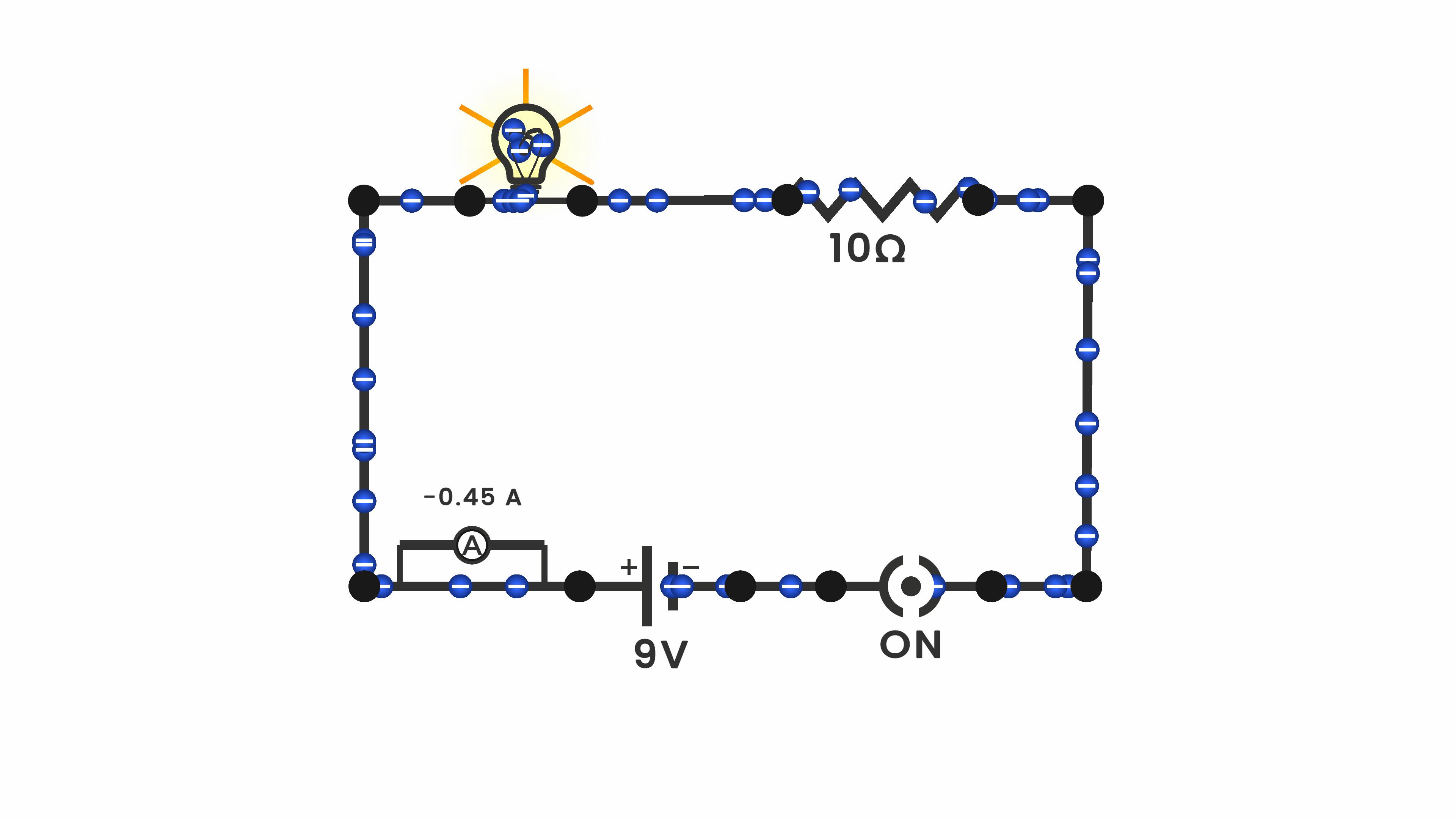
Basics of Electric Circuit
OpenThis experiment demonstrates the basics of an electric circuit using a battery, wires, a bulb, a resistor, and a switch. When the switch is closed, cu...
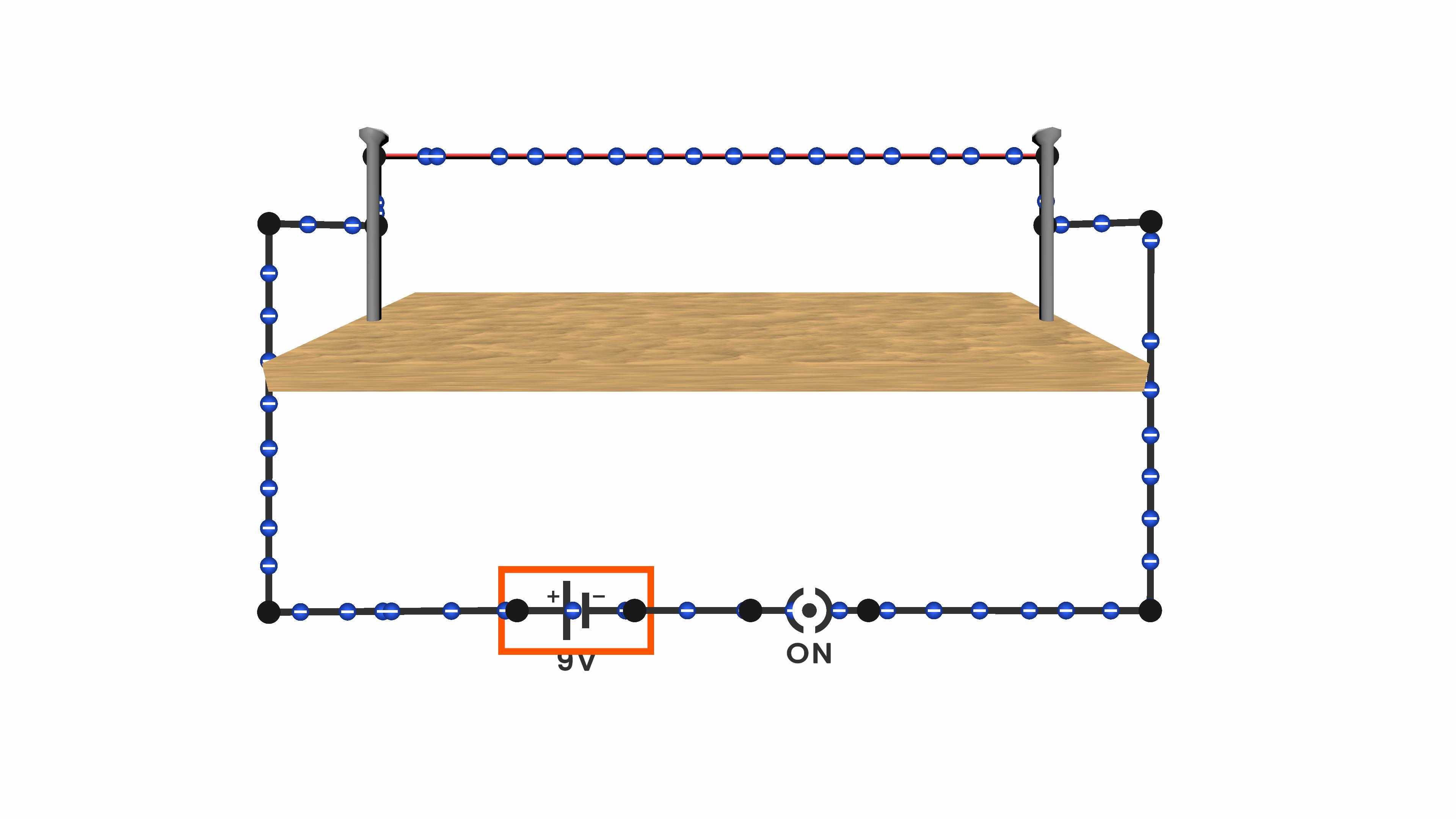
Electric Fuse
OpenThis experiment demonstrates how an electric fuse works. Different wires are tested by passing current through them to observe which wire melts first....
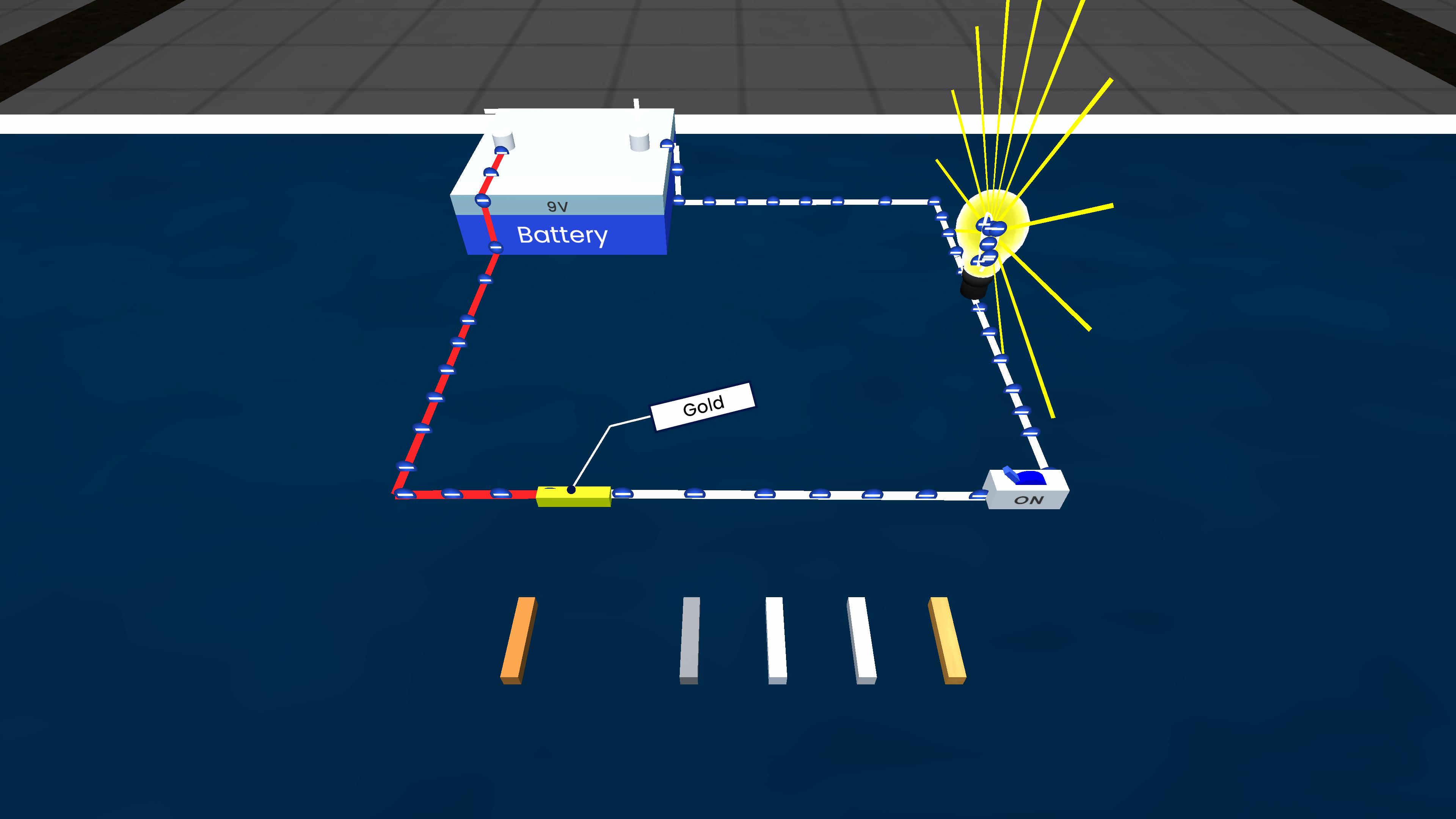
Electrical conductivity of metals and non-metals
OpenThis experiment demonstrates the electrical conductivity of metals and non-metals using a simple circuit with a battery, wires, and a bulb. Different ...
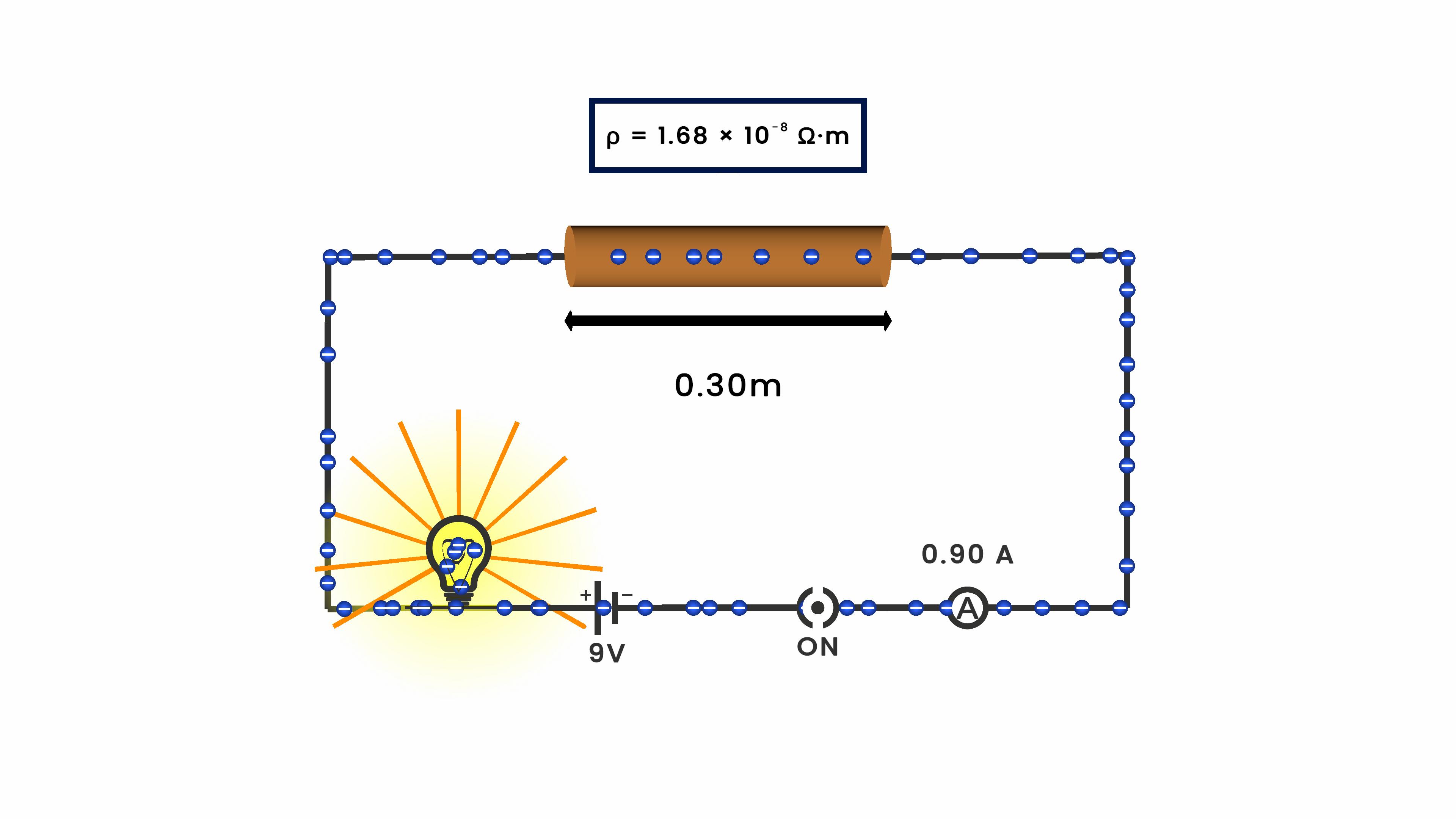
Factors Affecting Resistance Of Wire (Resistivity)
OpenThis experiment demonstrates how the resistance of a wire depends on its material, length, and thickness. It shows that resistance increases with leng...
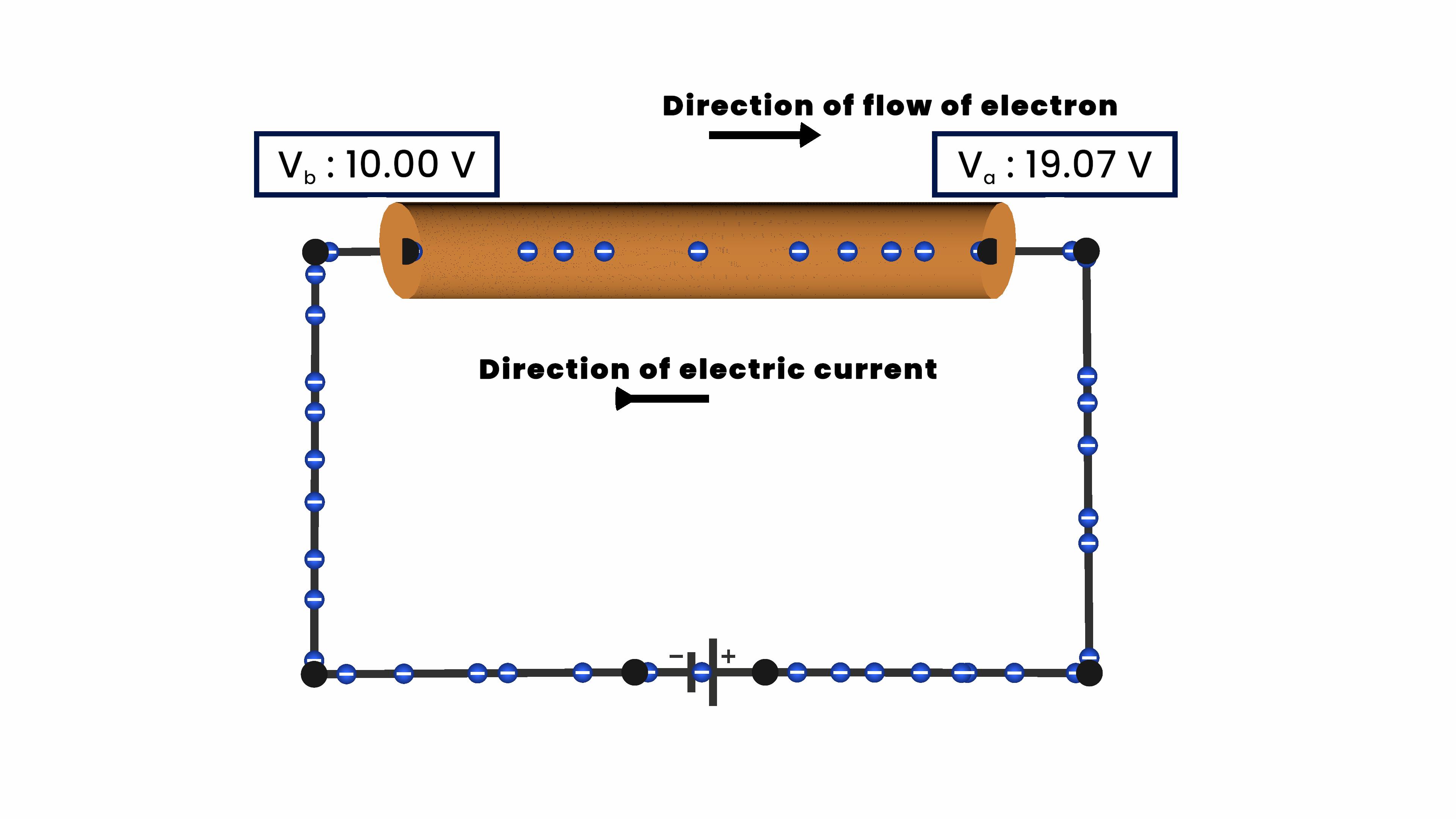
Flow of Electrons
OpenIn this experiment, the user controls the electric potential at points A and B. Electrons flow from the point of lower potential to higher potential, ...
.jpg)
Good and Bad Conductor of Electricity
OpenThis experiment demonstrates how different materials conduct electricity. A simple circuit with a battery and bulb is used, and the test material is p...
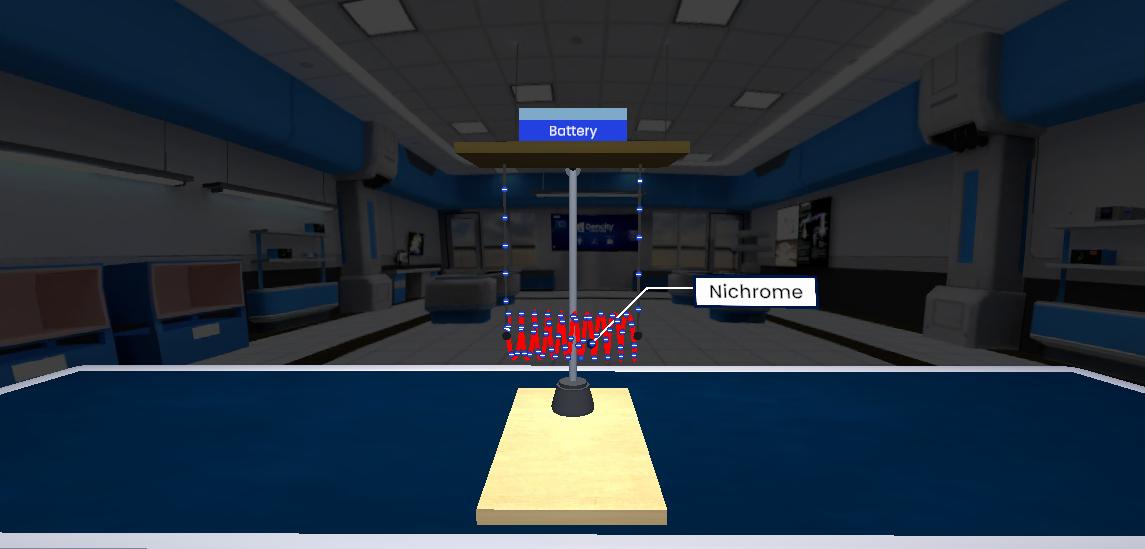
Heating Effect of Electric Current
OpenThis experiment demonstrates how electric current produces heat in a conductor. By changing the current, resistance of the wire, and time of flow, the...
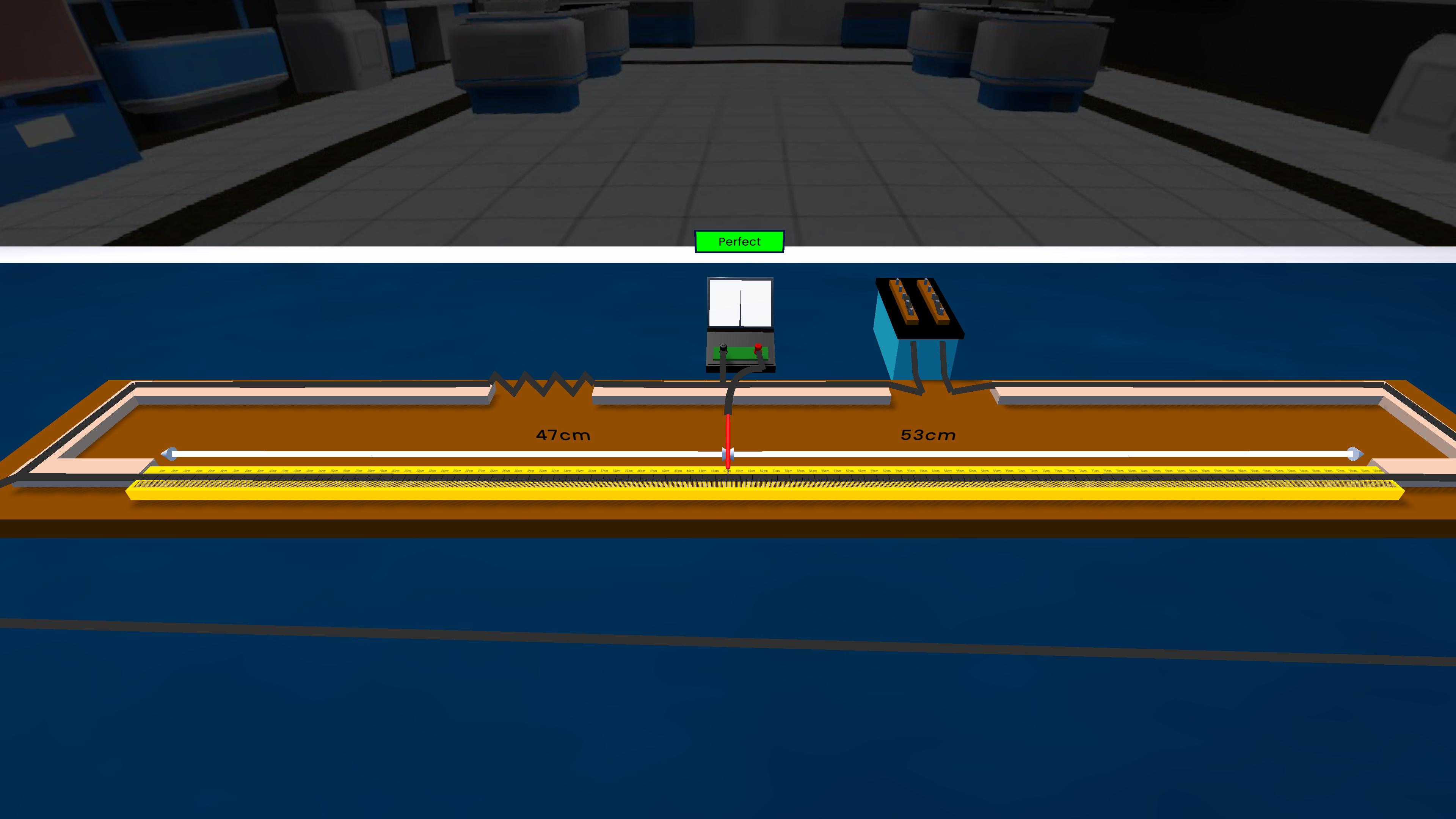
Meter Bridge (Wheatstone Bridge)
OpenIn this experiment, we use a meter bridge to determine an unknown electrical resistance using the principle of Wheatstone bridge. The balance point on...
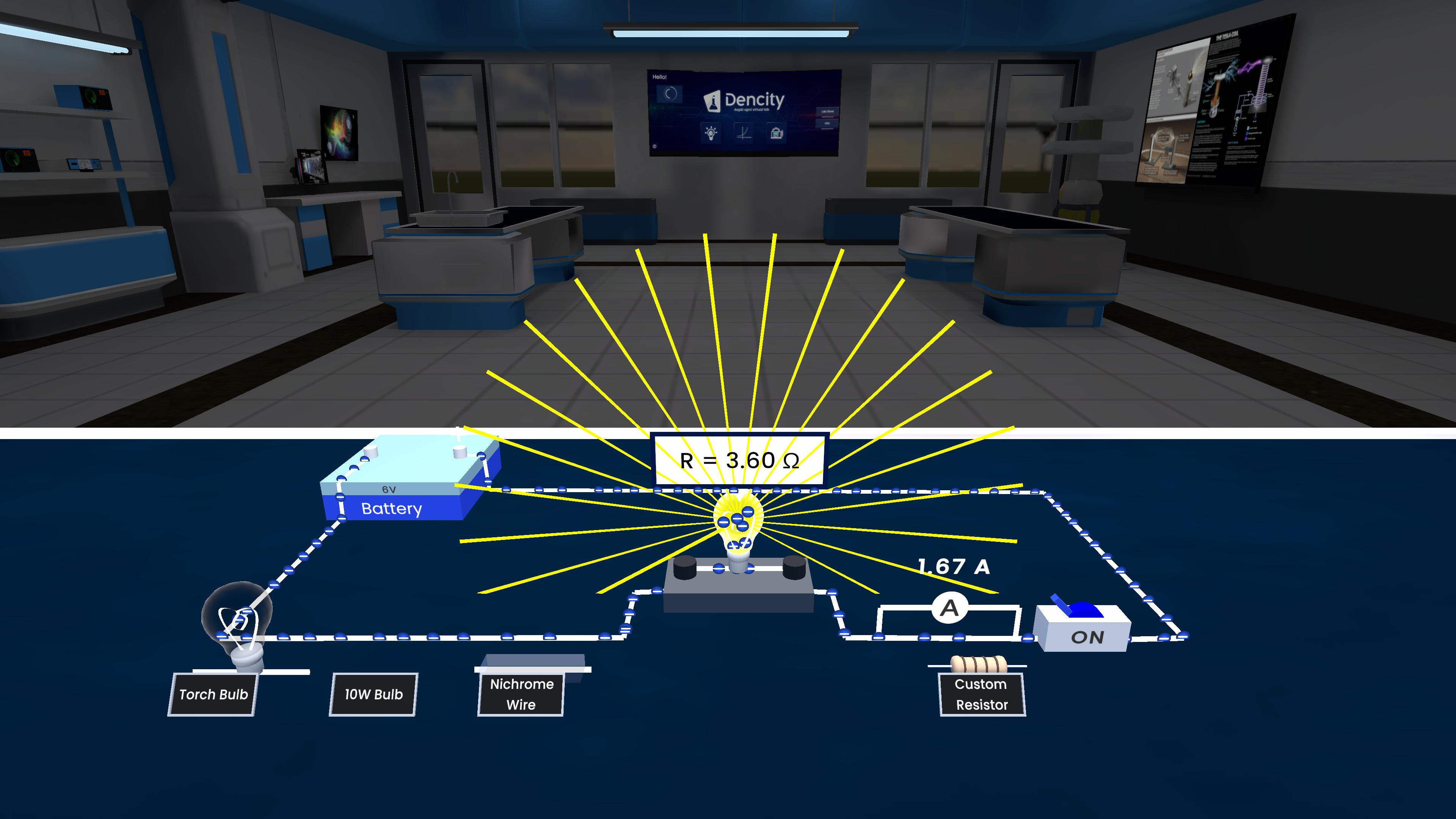
Ohm's Law
OpenThis experiment demonstrates Ohm’s Law by showing that current is directly proportional to voltage for a conductor at constant temperature, and how ...
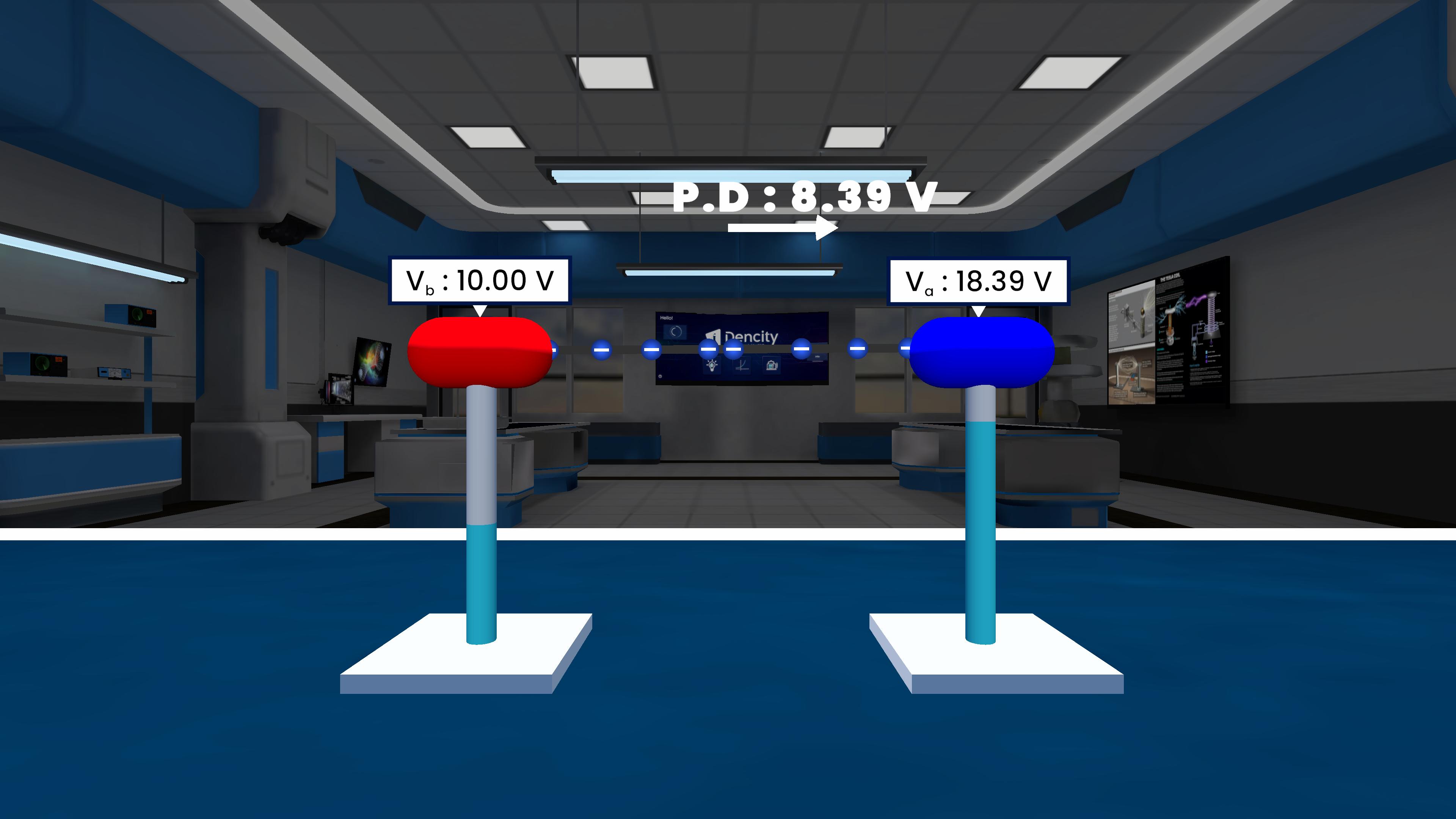
Potential Difference
OpenThis experiment demonstrates the concept of potential difference by showing that electrons flow from lower electric potential to higher electric poten...
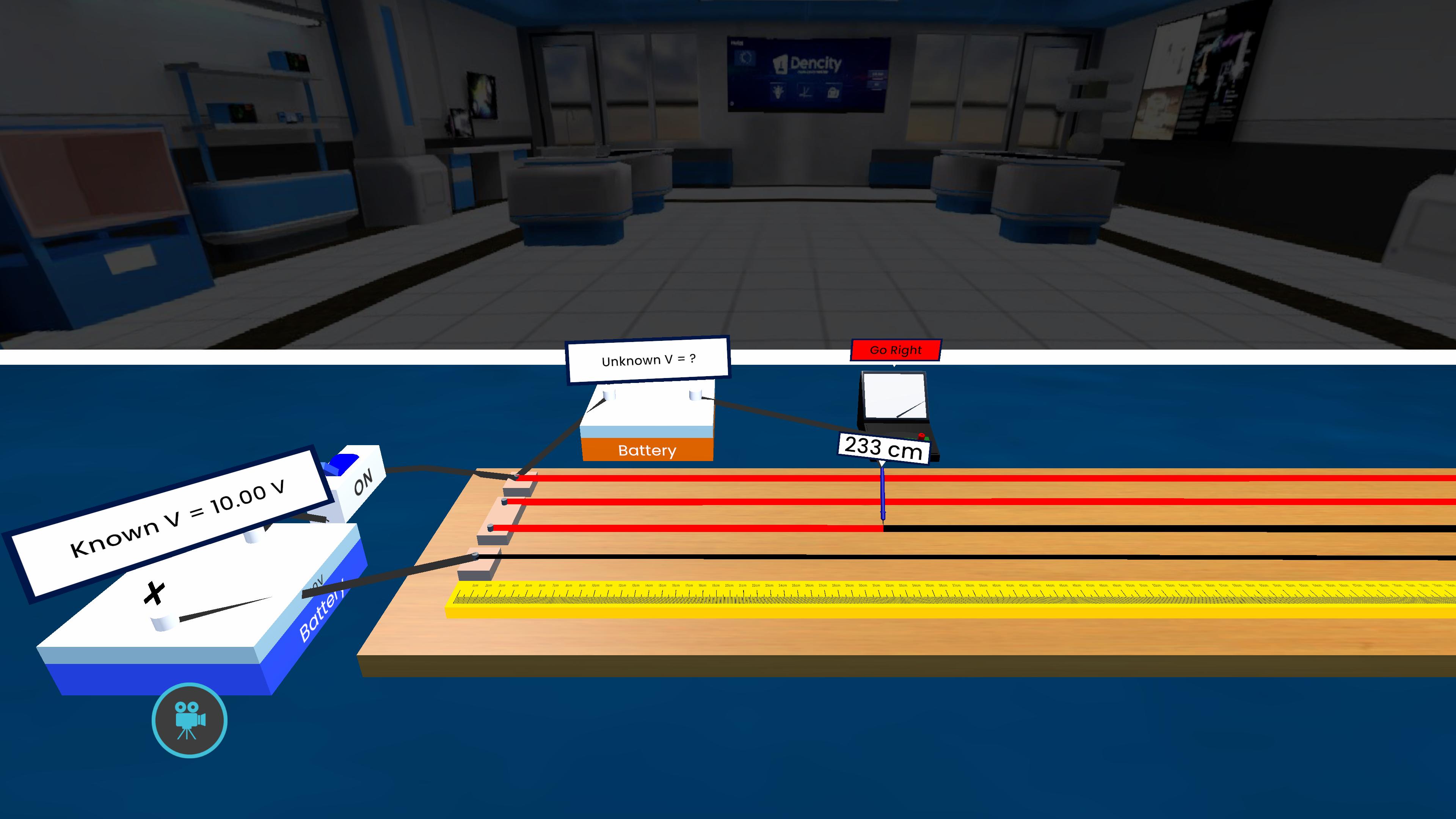
Potentiometer
OpenIn this experiment, a potentiometer with a 400 cm wire is used to compare a known voltage with an unknown voltage by finding the balance point where t...
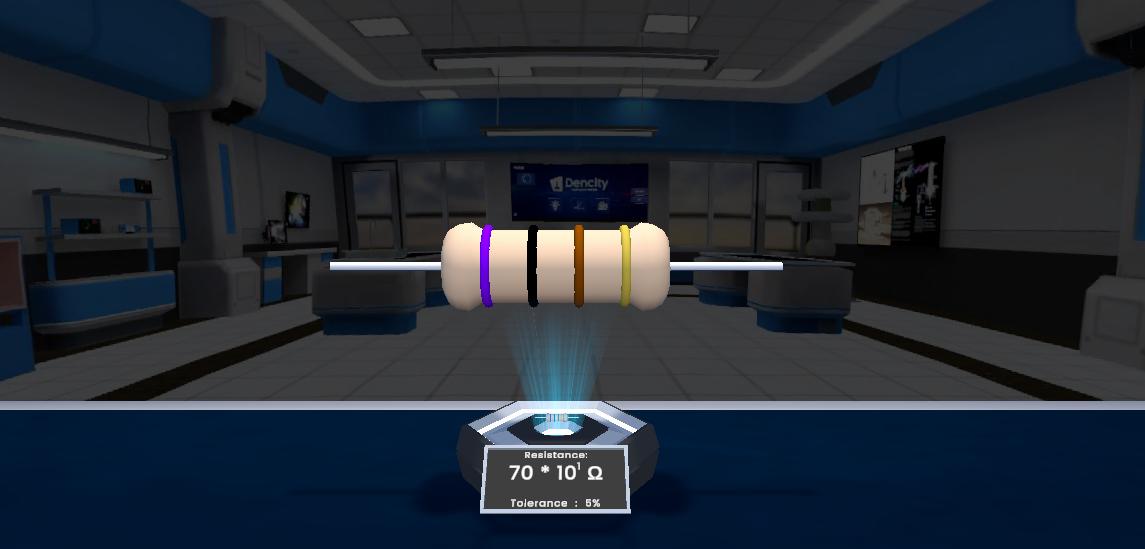
Resistor Color Code
OpenThis activity demonstrates how to determine the resistance value of a resistor by using the color code and understanding how different color bands cor...
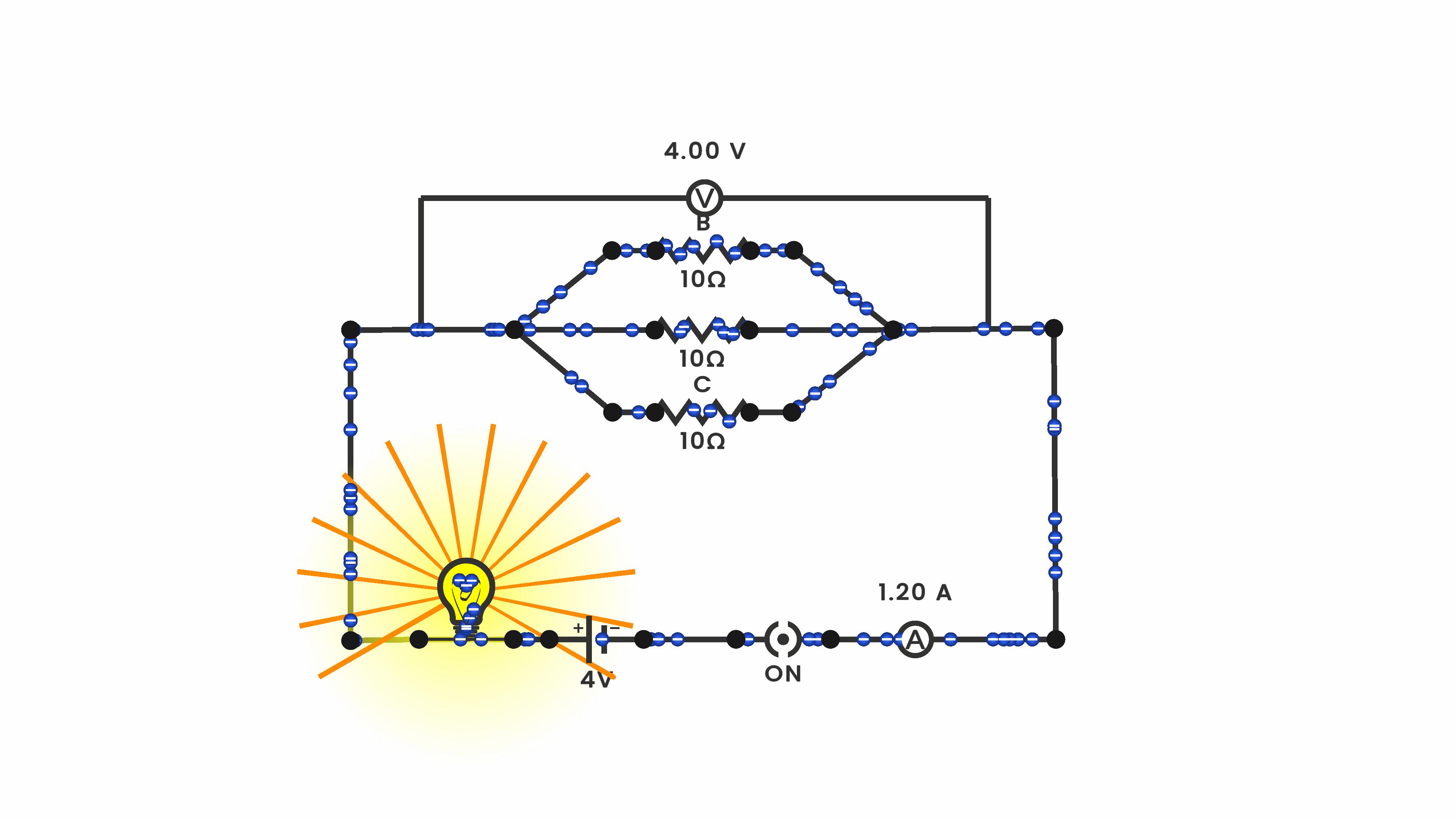
Resistors In Parallel
OpenThis experiment demonstrates how adding resistors in parallel affects a circuit. As more resistors are added in parallel, the total resistance of the ...
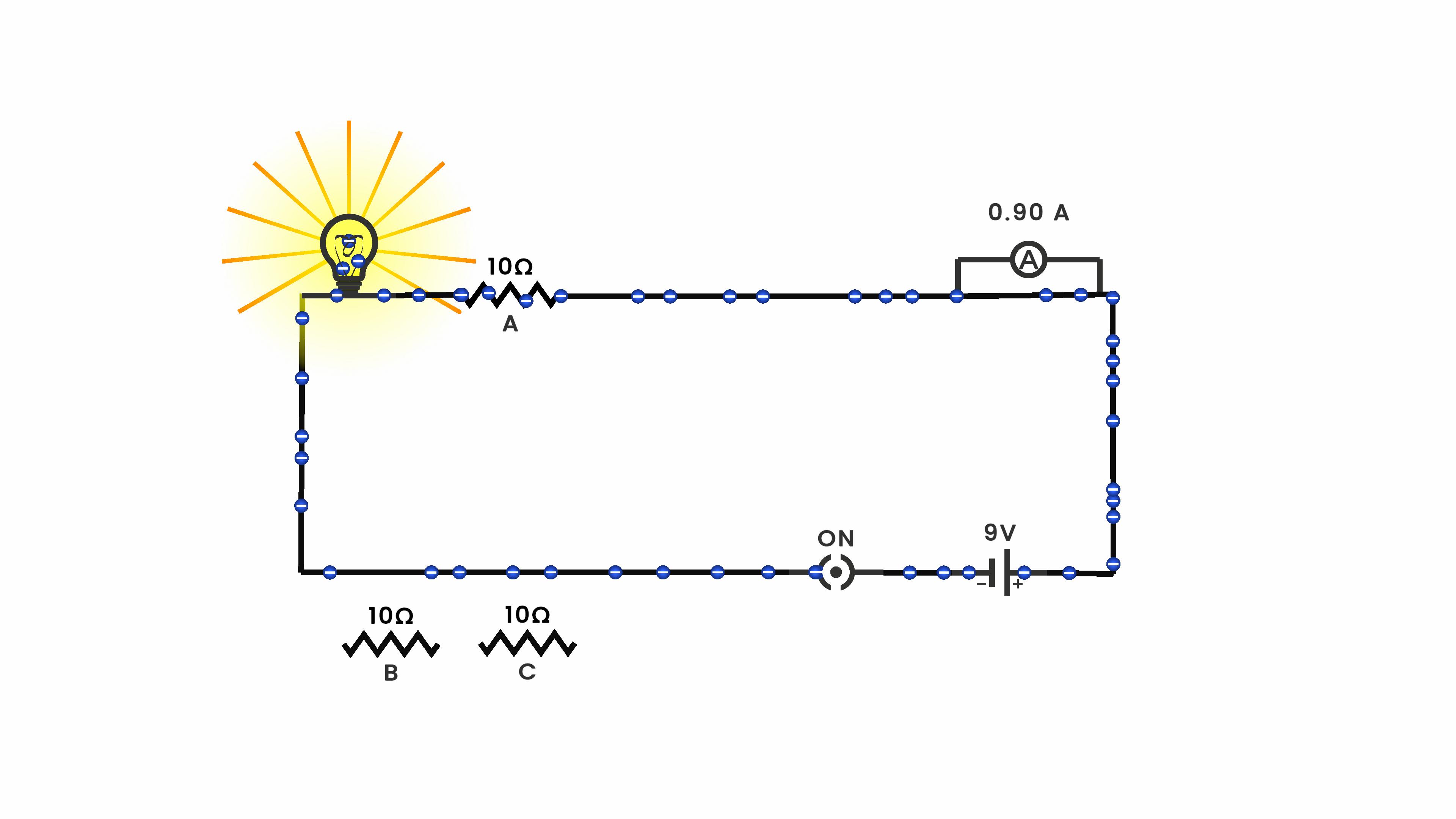
Resistors In Series
OpenThis experiment demonstrates how adding resistors in series affects a circuit. As more resistors are added in series, the total resistance increases. ...
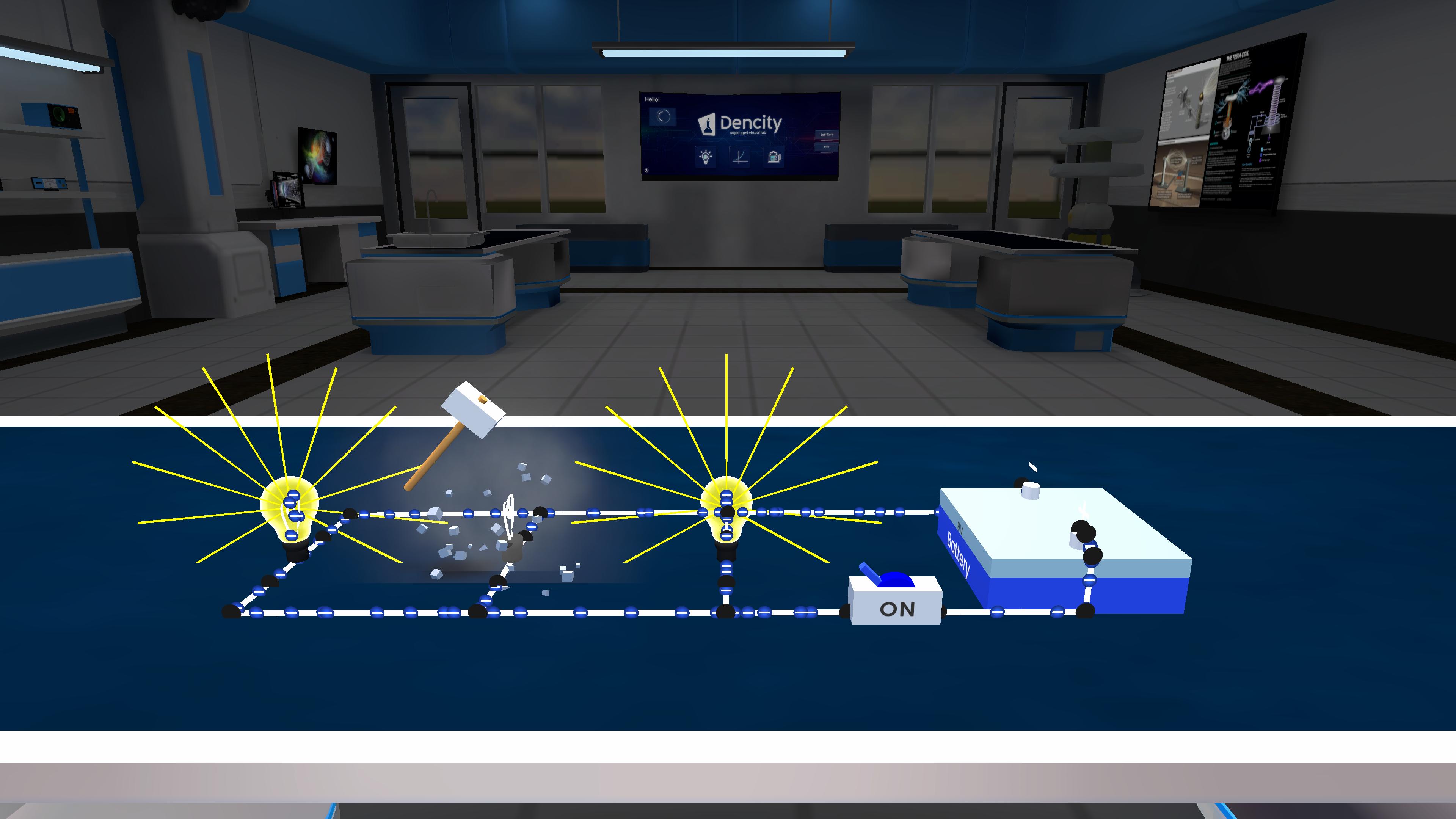
Series and Parallel Comparison (Breaking circuit)
OpenThis experiment demonstrates the difference between series and parallel circuits by showing that in a series circuit all bulbs go off when one is dest...
%20concept%20panel%20image.jpg)
To determine resistance per unit length of a given wire (Ohm's Law)
OpenIn this experiment, Ohm’s Law is verified by connecting a voltmeter and ammeter in an electric circuit and observing how the current changes when th...
Put the AI Science Lab in front of your team.
See the product, the classroom fit, and the value for your institution in one focused demo.